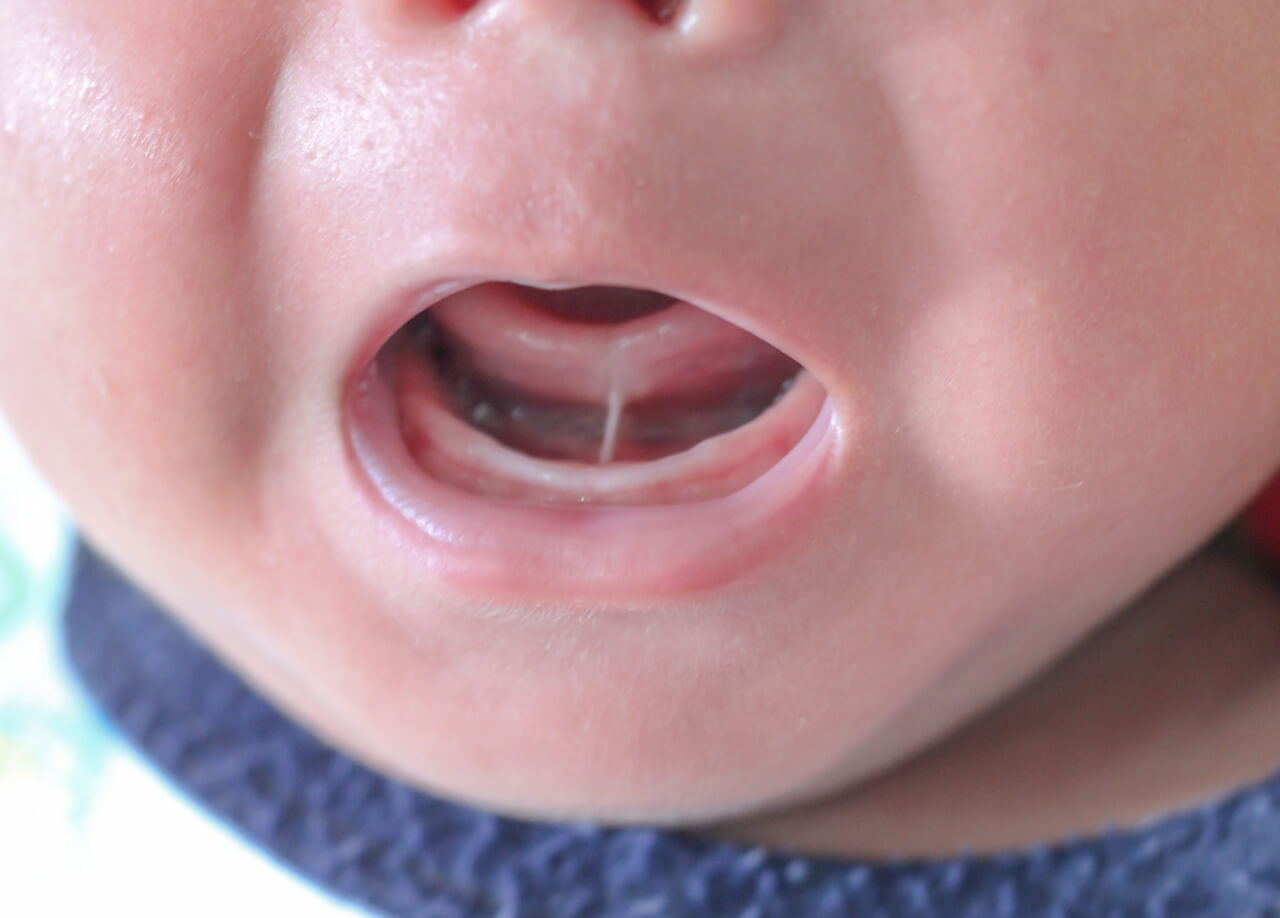

Understanding the Importance of Lip and Tongue Tie Treatment
Lip and tongue ties are common but often overlooked conditions that can have significant effects on a child’s ability to eat, speak, and grow properly. For healthcare providers and parents, identifying these restrictions early is essential because untreated ties can lead to long-term challenges. The tongue and lips play a vital role in oral function—affecting swallowing, nursing, speech articulation, and even dental alignment. When movement is limited, it can impact not only nutrition and speech but also breathing patterns and facial development.
A tongue tie (ankyloglossia) occurs when the tissue under the tongue (the lingual frenulum) is too short or thick, restricting movement. A lip tie affects the tissue connecting the upper lip to the gums. Both conditions can cause frustration during feeding, difficulty latching for breastfeeding infants, and speech delays as children grow. By addressing these conditions early, providers can help prevent a range of future complications—from orthodontic problems to emotional challenges related to speech or eating.
Common Signs and Symptoms of Lip and Tongue Ties
- Difficulty breastfeeding or bottle-feeding
- Clicking sounds while nursing
- Poor weight gain or feedinvg exhaustion in infants
- Gagging or choking during feeding
- Limited tongue movement or inability to stick out the tongue
- Speech delays or difficulty pronouncing certain sounds
- Gaps between the upper front teeth
- Mouth breathing or restricted lip movement
How Lip and Tongue Tie Treatment Works at Dental Care 4 Kids
- Comprehensive Examination and Diagnosis: During your child’s visit, our dentists will perform a thorough oral assessment to determine whether a lip or tongue tie is present. We’ll evaluate how the restriction affects feeding, speech, or oral development.
- Discussion and Treatment Planning: Once the diagnosis is confirmed, we’ll discuss the best treatment approach based on your child’s needs. Our team will explain every step to ensure parents feel informed and confident.
- Frenectomy Procedure (Laser Treatment): Using a soft-tissue laser, the frenulum is gently released in a quick, precise procedure. The laser minimizes bleeding, swelling, and discomfort while promoting faster healing.
- Aftercare and Exercises: Parents receive detailed aftercare instructions and gentle oral exercises to prevent reattachment and support proper healing. These exercises also help improve tongue and lip mobility.
- Follow-Up and Continued Monitoring: Follow-up visits are scheduled to assess healing and ensure optimal results. Our team works closely with parents and, if necessary, speech or lactation specialists to support full recovery.
Preventing Complications Related to Lip and Tongue Ties
A Positive Outlook for Children After Treatment
Frequently Asked Questions About Lip and Tongue Ties
- At what age can a lip or tongue tie be treated?
Lip and tongue ties can be safely treated at almost any age, from infancy through adolescence. Early treatment is recommended to prevent feeding or speech complications. - Is the laser frenectomy procedure painful?
The procedure is virtually pain-free thanks to local numbing and the precision of our dental laser. Most children experience minimal discomfort and recover quickly. - How long does it take for my child to heal after the procedure?
Healing typically occurs within one to two weeks. Performing the recommended oral exercises helps ensure full mobility and prevents reattachment. - Will my baby be able to nurse immediately after treatment?
Yes, most infants can feed right after the procedure, and many mothers notice an immediate improvement in latch and comfort. This quick recovery is one of the advantages of laser treatment. - Can lip and tongue ties affect speech development if left untreated?
Yes, untreated ties can restrict tongue and lip movement, leading to difficulty pronouncing certain sounds and delayed speech development. Early treatment supports more transparent communication and better oral function.
Helping Your Child Thrive with Gentle, Effective Care
At Dental Care 4 Kids, we are passionate about helping children overcome challenges that affect their comfort, feeding, and speech. Dr. Melissa Waters and Dr. Chris Walton provide expert lip and tongue-tie treatment in Flower Mound, Texas, using gentle, laser-based techniques for safe, effective results. Our compassionate team ensures that both parents and children feel supported throughout the entire process.
If your child is struggling with feeding, speech, or oral movement, our team is here to help. Contact Dental Care 4 Kids today to schedule an evaluation and learn how lip and tongue tie treatment can restore function, comfort, and confidence to your child’s smile.
Tongue Tie & Lip Tie
Our dentists offer frenectomy services to treat tongue ties and lip ties in infants. This procedure addresses restricted frenum, also referred to as the thin piece of tissue that secures other muscles, such as the tongue or the upper lip.
What are the symptoms of a tongue tie?
Tongue ties can affect the growth and development of the teeth and jaw, affecting alignment, tongue movement, and speech. In infants the primary concern is a poor latch for breastfeeding, which can result in other issues including:
- Colic
- Difficult intake of adequate milk
- Early weaning from the breast
- Extended nursing duration
- Slow weight gain
- Gassiness
- Falling asleep during a feed
- Unable to develop or sustain a good latch
- Unable to hold a pacifier
Poor latching can cause problems for mothers too including difficult breastfeeding, mastitis, anxiety, slow post-delivery weight loss, painful conditions of nipples, and low milk supply or early cessation of lactation.
How can I tell if my baby has a tongue tie?
If your baby is struggling to latch and you suspect a physical impediment to success, look into the baby’s mouth and use your finger to feel for tightness in the tissue under his or her tongue or between the front upper gum and lip.
How is the procedure completed?
First, your baby will be swaddled and a topical anesthetic, such as lidocaine, is applied to the area. The dentist then uses a precise laser to release the tightened or tethered tissue. The whole procedure takes less than 10 minutes and in most instances the baby is able to latch immediately when he or she is returned to you. Your baby may experience some slight swelling for a day or so following the treatment. Also, the dentist will provide advice on how to care for the baby’s mouth and if any exercises or post-surgical care is needed to ensure that the frenum does not reattach or tether again.
What are the benefits of a frenectomy?
Laser frenectomies are extraordinarily precise and quick. There is no need for general anesthesia. Your baby will only have minimal discomfort or swelling and the laser treatment sterilizes the treatment area, reducing the chance of infection. In addition to the benefits of the laser procedure, once the release of the tongue tie is complete, your baby will be more able to latch on to the breast and feed more efficiently. This will improve the baby’s health and wellbeing as well as the mother’s.
If you have questions about this procedure or suspect that your baby might have a tongue tie, contact us to make an appointment with our doctors for assessment and advice.