
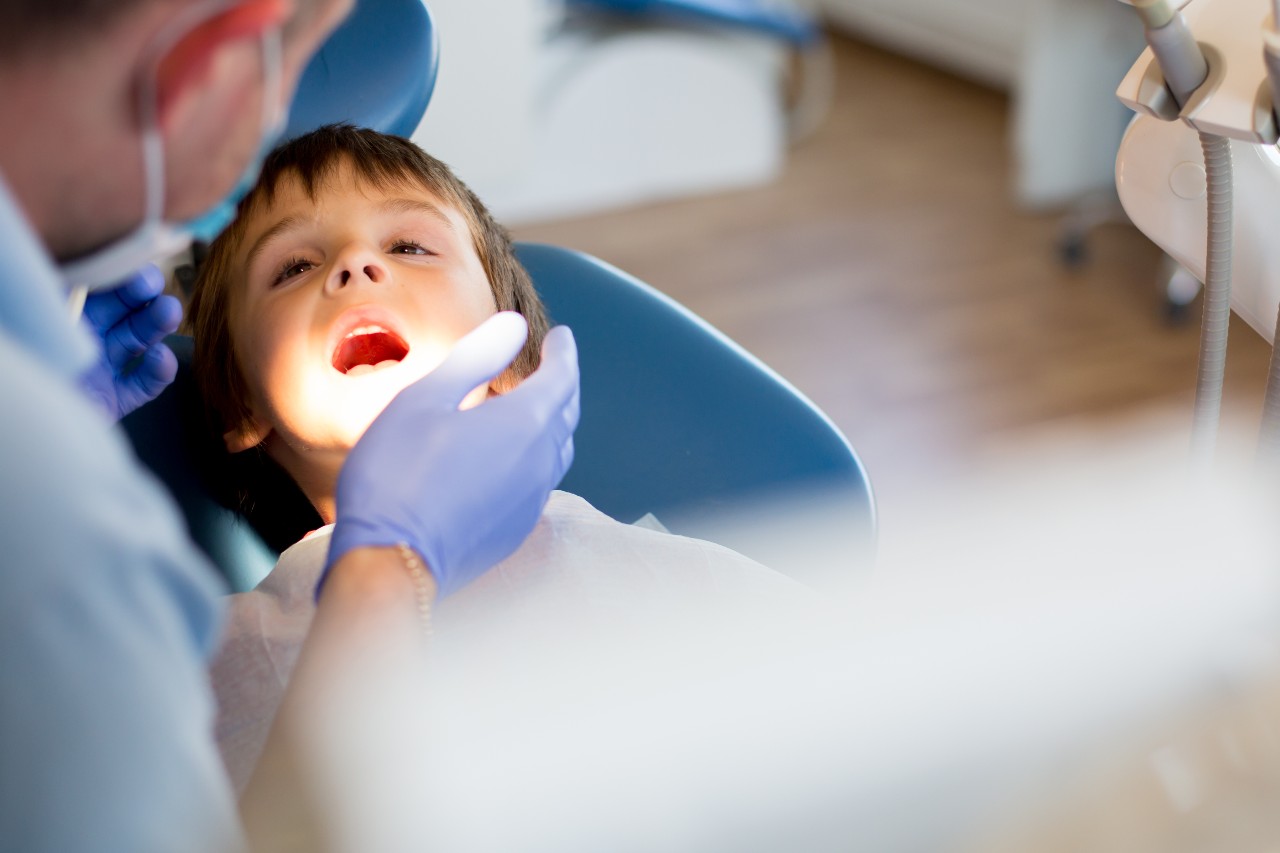
The Importance of Emergency Dentistry for Children
Emergency dentistry is an essential part of pediatric oral healthcare because accidents and sudden dental issues can happen at any age. For healthcare providers, prompt emergency care helps prevent complications that could affect a child’s long-term oral health. Injuries to the mouth, teeth, or gums are not just painful—they can also lead to infections, tooth loss, and developmental problems if left untreated. Children are active by nature, and sports, playground activities, or even simple falls can result in dental trauma.
Common Signs and Symptoms of a Dental Emergency
- Severe tooth pain or sensitivity
- Knocked-out (avulsed) tooth
- Broken, chipped, or fractured tooth
- Swelling of the face, gums, or jaw
- Persistent bleeding from the mouth
- A dental abscess or visible pus near a tooth
- Loose or dislodged permanent tooth
- Injury to the lips, tongue, or gums
The Process of Emergency Dental Care at Dental Care 4 Kids
- Immediate Assessment and Pain Management: Upon arrival, our team will quickly assess your child’s condition to determine the severity of the issue. We provide immediate pain relief using gentle methods and local anesthesia when needed.
- Diagnosis and Imaging: Digital X-rays or exams are performed to determine the full extent of the damage, whether it’s a fracture, infection, or dislodged tooth. This step helps us quickly plan the most effective treatment.
- Emergency Treatment: Depending on the situation, treatment may include cleaning and repairing damaged tissue, performing a pulpotomy (baby root canal), reattaching or stabilizing a knocked-out tooth, or draining an abscess. Our focus is always on saving the tooth and preventing further complications.
- Follow-Up Care and Monitoring: After the emergency is resolved, we schedule a follow-up visit to ensure proper healing and address any restorative or cosmetic needs. We also provide guidance on caring for the affected area at home.
- Preventive Education for Parents and Children: Before leaving, our team offers prevention tips and advice to help families reduce the risk of future dental emergencies.
Preventing Dental Emergencies Before They Happen
A Positive Outlook for Children After Emergency Dental Treatment
The outlook for children who receive prompt emergency dental care is highly positive. When treated quickly, most dental injuries can be repaired with minimal long-term impact. Pain relief and functional restoration often occur immediately, allowing children to return to normal eating and speaking habits soon after treatment. Early intervention helps preserve natural teeth and prevents future orthodontic complications. Additionally, emergency care builds trust and reduces anxiety, showing children that dental visits—even in stressful moments—can be comfortable and positive. At Dental Care 4 Kids, we are committed to ensuring every patient leaves our office feeling safe, cared for, and on the path to recovery.
Frequently Asked Questions About Pediatric Emergency Dentistry
- What should I do if my child knocks out a tooth?
If it’s a permanent tooth, try to place it back in the socket and call us immediately. If that’s not possible, keep it moist in milk or saline solution and seek emergency dental care right away. - Can a baby tooth be reattached after being knocked out?
No, baby teeth should not be reimplanted, as doing so can damage the permanent tooth beneath. However, a dental visit is still necessary to check for soft tissue or alignment issues. - How do I know if a toothache is an emergency?
Persistent or severe pain, especially when accompanied by swelling or fever, often indicates infection or decay that requires immediate attention. Call our office for an urgent evaluation. - What if my child is afraid of getting emergency dental treatment?
Our team specializes in pediatric care and uses gentle techniques to help children stay calm. We also offer sedation options when necessary to ensure a comfortable experience. - How can I prepare for dental emergencies at home?
Keep a dental first aid kit with gauze, pain relievers (child-safe), and a small container of milk for knocked-out teeth. Save our emergency phone number in your contacts for immediate access.
Compassionate Care When Every Second Counts
Information:
When dental emergencies happen, waiting several days for an appointment with a dentist is not an option. Emergency dentists are committed to helping patients manage sudden injuries and complications that require immediate treatment. Some emergencies are extremely painful, and a visit to the dentist can provide palliative relief. On the other hand, some emergencies can threaten the health of the teeth, and receiving rapid dental treatment could mean the difference in saving a tooth or losing it.
Insert before and after photos here
Did you know:
That the steps you take after a dental emergency happens can greatly improve your outcome once you receive emergency care. Even though emergency dentists will see you very quickly, there are some precautionary steps you can take in the time it takes to arrive at your dentist’s office. The American Dental Association has a few recommendations:
- If you bite your lip/tongue – gently cleanse the area and apply a cold compress
- If you break your tooth – gently rinse the area and apply a cold compress
- If you lose your tooth –rinse the tooth’s root with water if it’s dirty, being careful to hold it by the crown. Carefully place it back in its socket, or place it in milk. Bring it to the dentist immediately.
Frequently Asked Questions:
Do I need to see an emergency dentist?
If you are experiencing sudden and chronic tooth pain, or if you have sustained trauma to your teeth and surrounding tissues, you may need to see an emergency dentist. Even if you do not currently have a dental emergency, it is important that your dentist is capable of treating you quickly in the event that an emergency does arise.
What should I expect from my emergency dental appointment?
Urgent problems that threaten the health of your teeth or leave you in pain should not be ignored. You can expect to be seen by your emergency dentist quickly and without an appointment though it is recommended that you call your dentist’s office if possible before you arrive.
What can I do after my emergency dental appointment to avoid future problems?
Some of the most common dental emergencies can be prevented by taking a few simple precautions. Avoid chewing hard foods, such as candy and ice, as these can cause your tooth to crack or chip. Also, be sure to wear a properly fitted dental mouth guard during sports and other high impact activities. Protecting your mouth on a daily basis can significantly reduce your risk of injuring your teeth, as well as your tongue, lips, and the walls of your mouth.